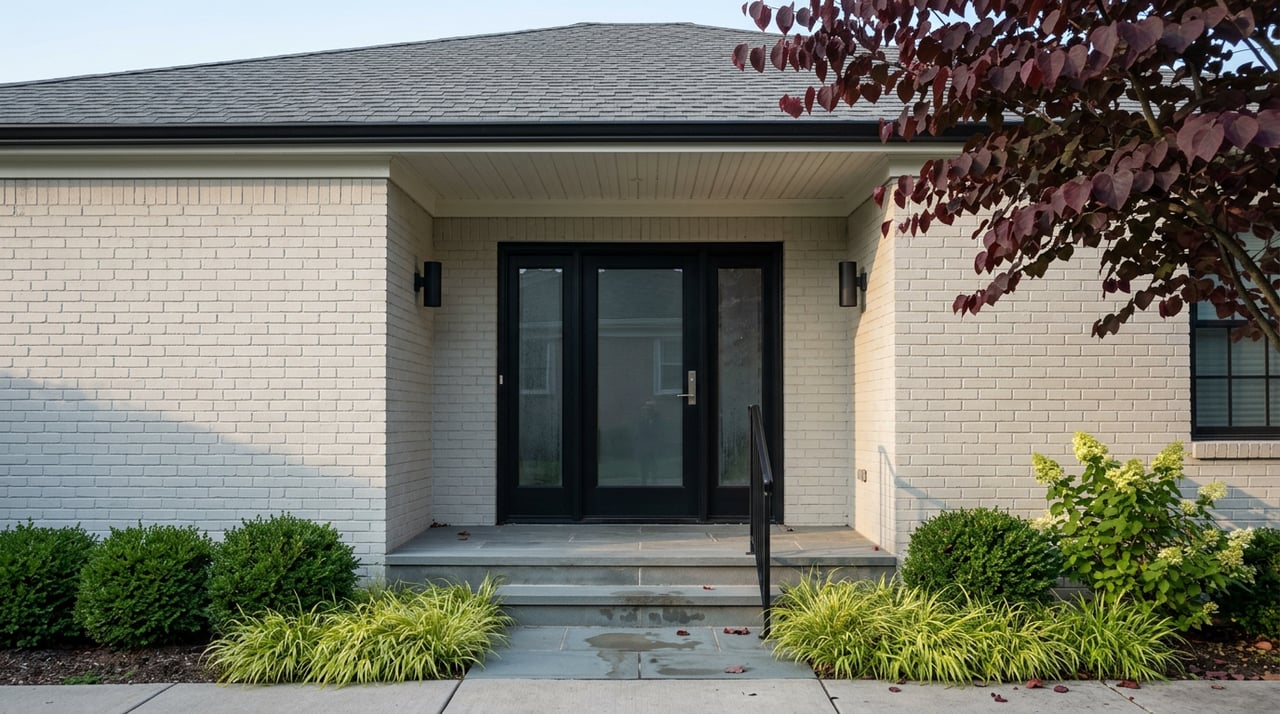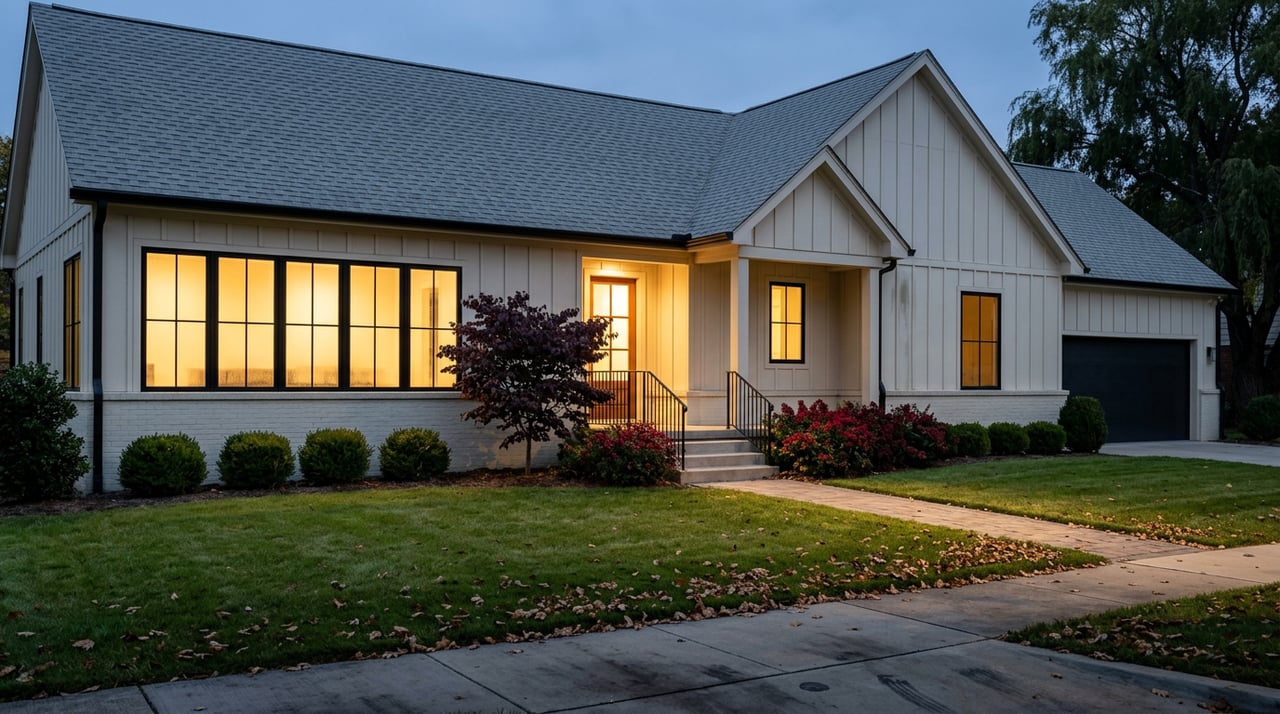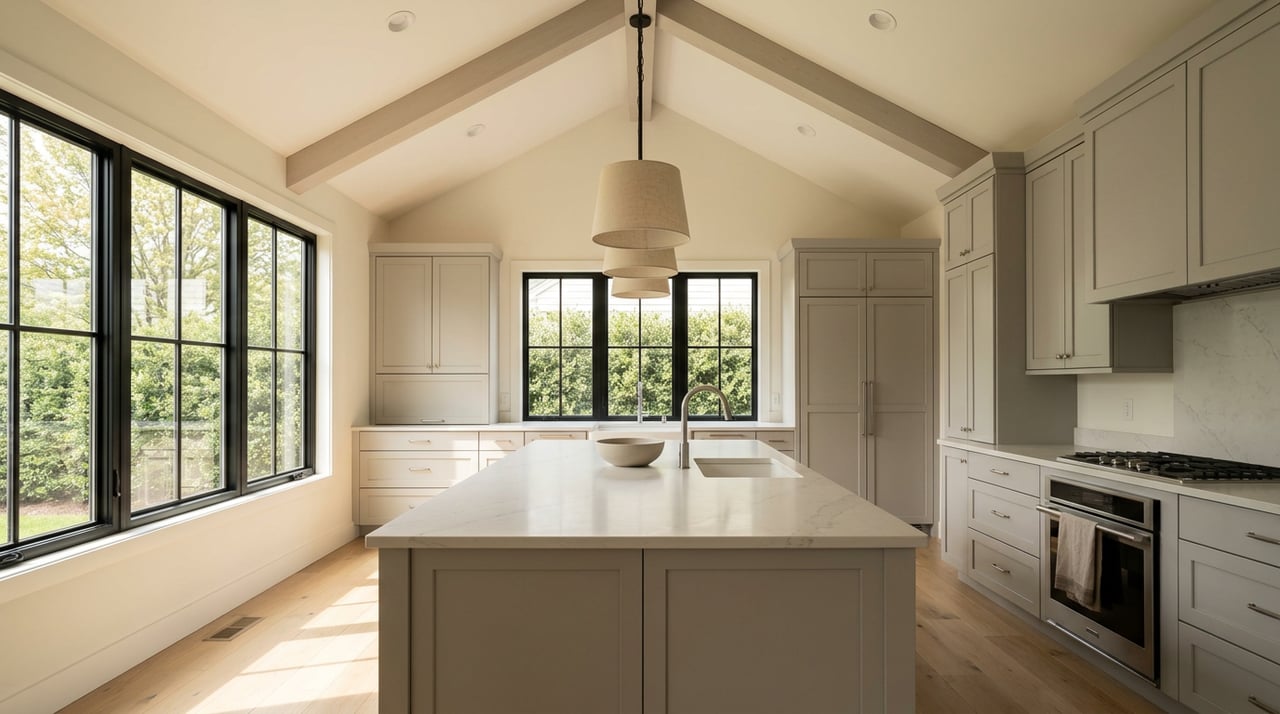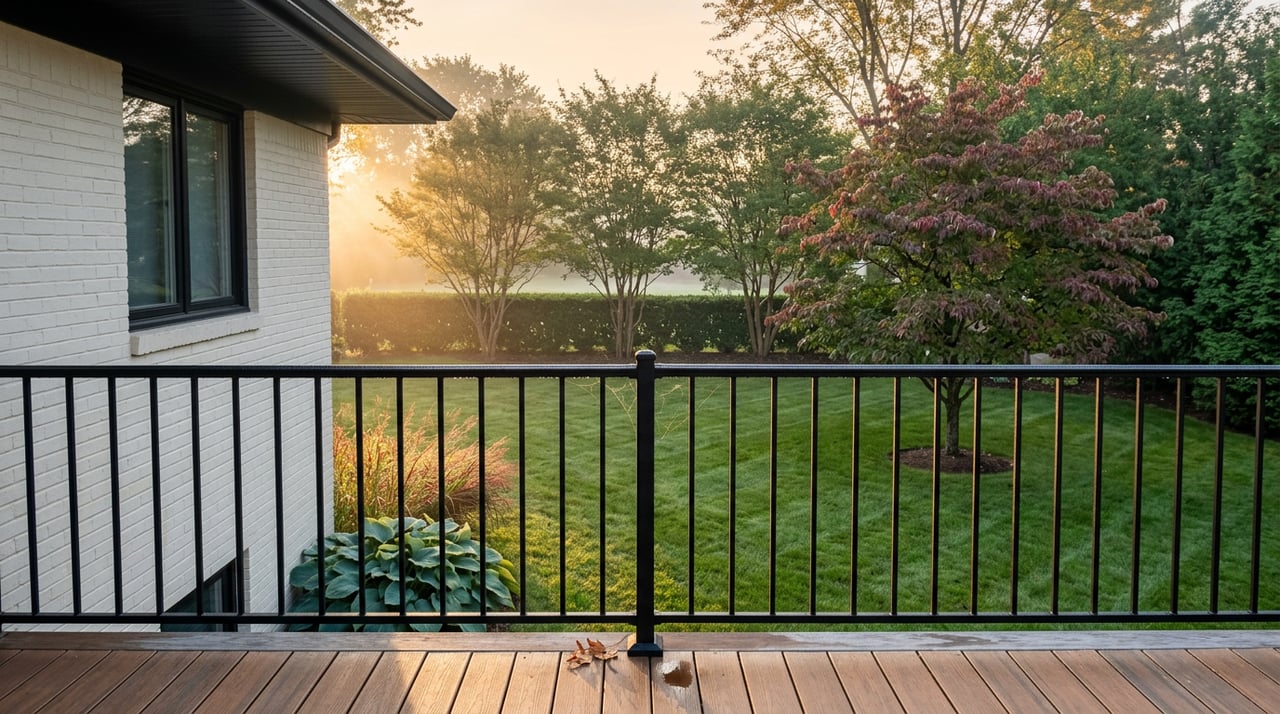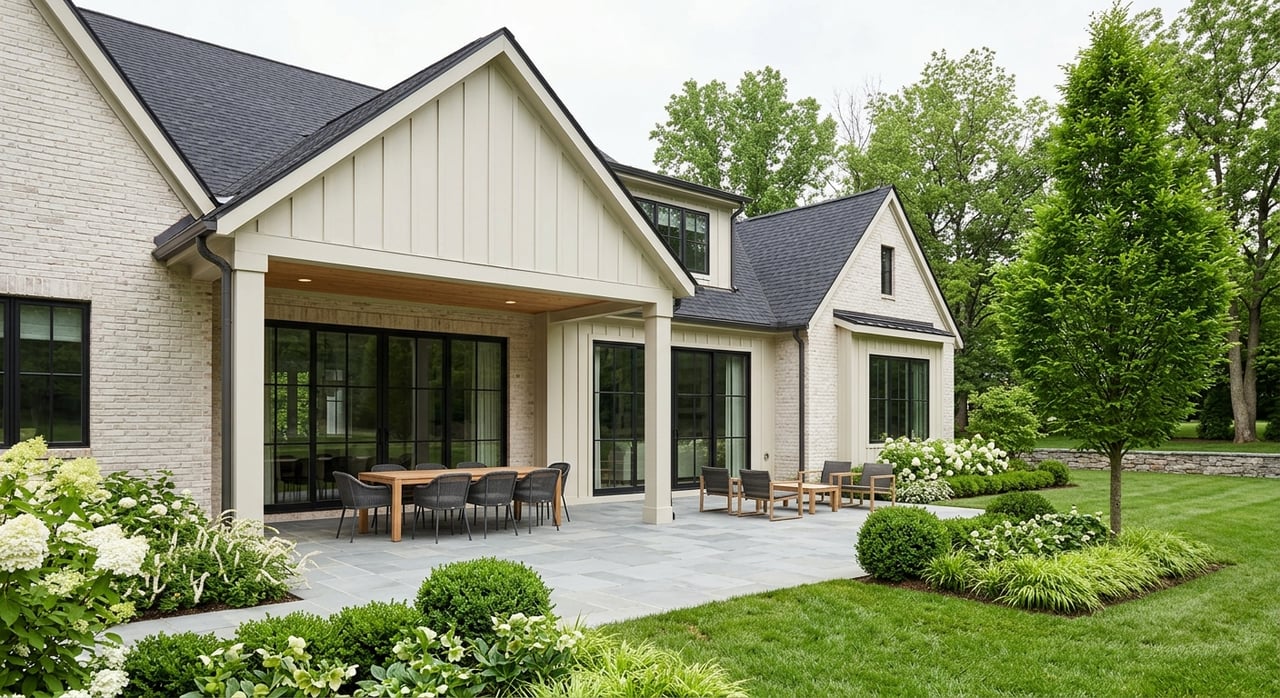
If you are listing a spec home or boutique new build in McLean, you are not just putting a property on the market. You are introducing a product to a highly selective buyer pool that expects clarity, polish, and confidence from day one. In a market where pricing precision, presentation, and timing can shape the outcome, your strategy needs to do more than generate interest. It needs to protect value and create momentum. Let’s dive in.
Why McLean requires a sharper strategy
McLean is not a one-size-fits-all market, and that matters even more for spec homes and boutique builds. The county’s planning framework emphasizes low-density residential character in much of the McLean Planning District, especially in areas near the Potomac, which means infill projects need to feel compatible with their surroundings as much as they need to justify their price. Fairfax County’s comprehensive plan makes that clear.
The sales environment is also strong, but nuanced. Redfin’s McLean housing market data reported a March 2026 median sale price of $1.63 million, 27 days on market, and 40% of homes selling above list price, while Realtor.com data cited in the research report and other market trackers point to a high-end market where the exact data set can vary. What stays consistent is the takeaway: McLean is a premium market, and pricing has to be exact.
That premium positioning becomes even clearer when you compare McLean to the wider county. Fairfax County housing indicators show countywide averages far below what many McLean luxury homes command, so countywide benchmarks are often too broad to guide a boutique listing strategy. For spec homes, your real competition is the local luxury comp set, not the county average.
Price for the buyer pool
One of the biggest mistakes in new construction is pricing from the inside out. Construction cost matters to the builder, but the market responds to how a home compares with the alternatives available to the likely buyer pool.
In McLean, that means your first public price should be based on the most relevant luxury comparables, buyer expectations, and current competition. According to FFXnow’s report on Bright MLS luxury sales data, McLean’s 22101 ZIP ranked among the Mid-Atlantic’s top luxury markets in Q2 2025, with strong transaction volume in the luxury tier and fast movement across the broader D.C. luxury segment. That supports a strategy built around precision, not optimism.
A disciplined launch price also leaves room for real-world deal terms. Buyers in this segment may still ask for appraisal support, contract flexibility, or incentive packages. NAR’s 2025 buyer and seller research found that sellers most value agents who help market the home, price it competitively, and sell within a specific timeframe, while repeat buyers often bring stronger down payments and some buyers pay all cash. In a market like McLean, strong buyers still expect smart pricing.
Build the marketing package first
A luxury spec home should never feel unfinished from a marketing standpoint, even if the construction is complete. Before the home hits the broad market, you want every core asset in place so buyers and their agents can understand the value quickly.
A strong launch package should include:
- Professional staged photography
- A clear floor plan set
- A 3D tour
- Finish specifications
- Delivery timing and occupancy details
- Consistent contract terms and disclosures
This matters because buyers now research and tour homes in a digital-first way, even in the luxury segment. Zillow’s 2025 buyer trends report found that 52% of buyers first contacted a real estate agent, 80% did so within their first three steps, and 79% installed a real estate app during the process. If your listing package is incomplete, buyers and agents will fill in the gaps themselves, and that rarely helps value.
Use staging as merchandising
For a boutique build, staging is not decoration. It is proof of concept.
NAR’s 2025 staging snapshot found that 83% of buyers’ agents said staging made it easier for buyers to visualize the property. That is especially important in spec homes, where buyers are often comparing room scale, layout, and finish level across multiple new-construction options.
In practical terms, the most important rooms to stage well are often the living room, primary bedroom, and dining area, which also align with NAR’s findings on the rooms staged most often. In a McLean boutique build, staging should reinforce how the home lives day to day, not just how it photographs. Buyers need to understand the scale, flow, and function immediately.
Make 3D tours part of the strategy
Static photos are no longer enough for many new-construction buyers. They help create interest, but they do not always answer the buyer’s next question, which is how the space actually feels.
Zillow’s 3D Home guidance for new construction notes that 3D tours can be created for spec or model homes even without a Zillow address, and listings with 3D tours receive priority in search results. Zillow also found that 73% of new-construction buyers said 3D tours would help them understand a home better than static photos, and 67% wished more listings included them.
For a McLean spec home, that makes a 3D tour a practical tool, not a luxury extra. It helps out-of-area buyers, busy executives, and agents screening options for clients. It also supports stronger in-person showings by making sure the buyers walking in are already aligned with the home’s layout and finish direction.
Launch in phases, not all at once
A phased launch is usually smarter than simply going live everywhere on day one. In a market where luxury homes can move quickly, sequencing can improve both feedback quality and deal control.
A practical rollout often looks like this:
- Broker preview
- Private showings for qualified buyers
- Public launch once staging, media, and terms are fully aligned
This sequencing fits the way buyers behave. Zillow’s buyer research shows that many buyers start with an agent, and FFXnow’s reporting on luxury market activity shows that the broader D.C. luxury segment can move fast. In that environment, a broker-first approach gives you a chance to shape the story before the market starts making assumptions.
Treat early feedback like data
The first showings are not just a sales opportunity. They are also a diagnostic phase.
If traffic is strong but offers are soft, the price may be ahead of the buyer pool. If buyers respond well to the price but hesitate in person, the issue may be room function, finish palette, or staging clarity. If buyers keep asking the same questions about completion timing or included features, the problem may be the spec sheet or communication, not the home itself.
That kind of disciplined interpretation matters in McLean, where boutique inventory is often compared at a high level of detail. A developer-savvy listing strategy looks at buyer reactions as signals to refine execution quickly, before days on market begin to work against you.
Keep the story aligned with neighborhood fit
In McLean, the listing story should not focus only on square footage and finishes. It should also explain how the home fits its setting.
That is not just a branding choice. Fairfax County’s planning guidance for McLean emphasizes preservation of low-density residential character and compatibility in many areas, and recent FFXnow coverage of approved housing projects shows how quickly project concepts can face pushback when they are viewed as out of step with surrounding development.
For boutique builds, that means your marketing should highlight thoughtful siting, design consistency, livability, and finish quality in a way that feels grounded in the neighborhood context. In McLean, compatibility can support value.
Prepare for a cleaner contract process
The contract side of a spec-home sale needs just as much attention as the launch. Buyers still expect protections, and new construction adds more moving parts than a typical resale.
Zillow’s 2025 buyer data found that 65% of buyers included an inspection contingency, 59% had financing contingencies, and 53% had appraisal contingencies. The same report found that 64% of buyers who remembered receiving a seller or builder pre-inspection report said they got one. That supports a cleaner process built around documentation, transparency, and organized addendum management.
For McLean spec homes, contract readiness may include:
- A consistent buyer-facing spec sheet
- Clear allowance and inclusion language
- Up-to-date disclosure documents
- Pre-inspection or supporting property documentation
- Tight tracking of contract dates, changes, and completion items
The goal is simple: reduce avoidable friction. In a luxury transaction, delays and mismatched expectations can cost more than marketing mistakes.
Match marketing to Fairfax County milestones
Execution in Fairfax County has a practical side that should never be overlooked. According to Fairfax County’s residential new building permit guidance, a new single-family dwelling requires a residential new building permit, and inspections are required after the permit is issued. The permit holder is responsible for scheduling those inspections.
That has direct listing implications. Your marketing timeline should be aligned with the actual build timeline, inspection schedule, and delivery readiness. If signage is part of the strategy, the county also notes that most signs require permits under zoning rules, so on-site marketing should be planned carefully and early.
In other words, the best listing strategy for a McLean spec home is coordinated, not improvised. Marketing milestones, permit milestones, and buyer communication should all tell the same story.
The real goal is margin protection
In a premium market, a listing strategy is not just about exposure. It is about protecting the seller’s position from the first impression through settlement.
That means pricing against the right competition, presenting the home with polished digital and in-person assets, launching in phases, interpreting feedback quickly, and keeping the contract process tight. For boutique builds in McLean, those details are often what separate a strong result from a good-looking listing that lingers.
If you are preparing to bring a spec home or boutique build to market in McLean, working with a listing partner who understands both luxury presentation and construction-phase execution can make the process far more efficient. To talk through pricing, launch timing, and buyer positioning for your project, connect with Maria Park.
FAQs
What is the best pricing approach for a McLean spec home?
- The strongest approach is to price against the most relevant local luxury comparables and likely buyer pool, rather than relying only on construction cost or countywide averages.
Why does staging matter for McLean boutique builds?
- Staging helps buyers understand room scale, layout, and daily function, and NAR research shows it makes it easier for buyers to visualize the home.
Should a McLean new-construction listing include a 3D tour?
- Yes. Zillow research shows many new-construction buyers find 3D tours more helpful than static photos for understanding the space.
How should a McLean luxury home launch to market?
- A phased launch with broker previews, private showings, and then broader public marketing can help shape the narrative and improve feedback quality.
What should sellers prepare before listing a spec home in Fairfax County?
- Sellers should coordinate marketing with permit and inspection timelines, organize specs and disclosures, and make sure buyer-facing information matches what is being built.