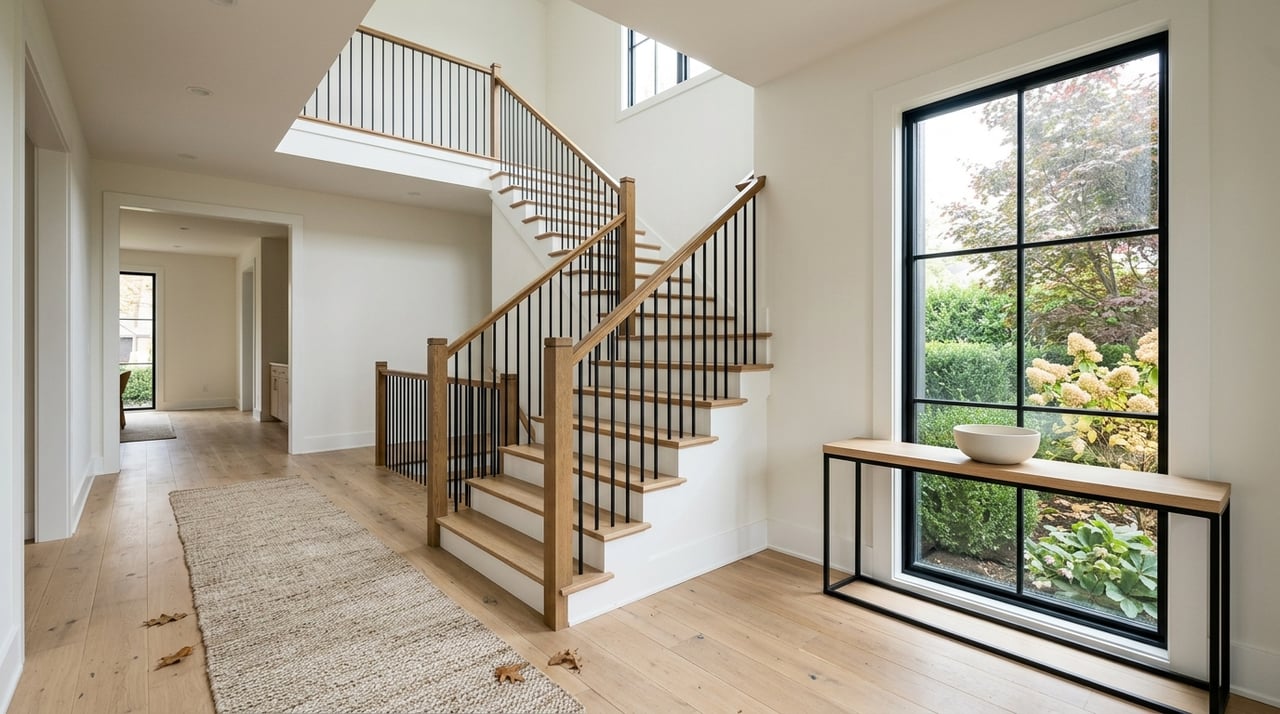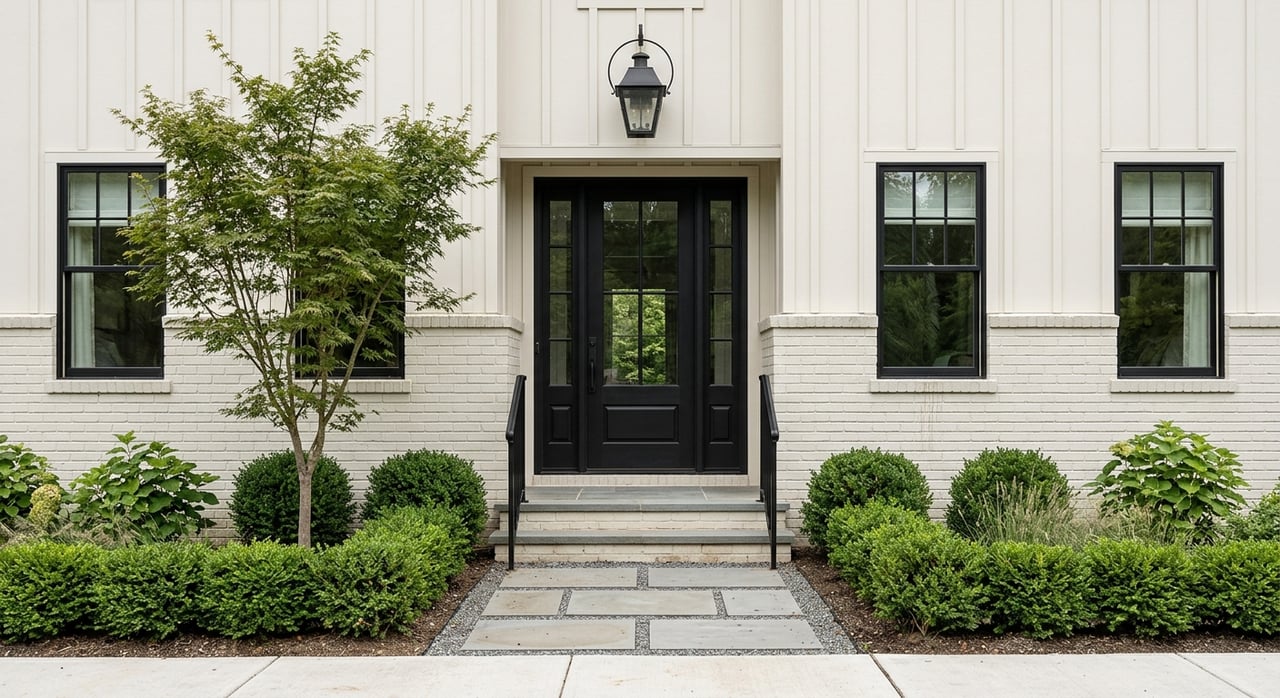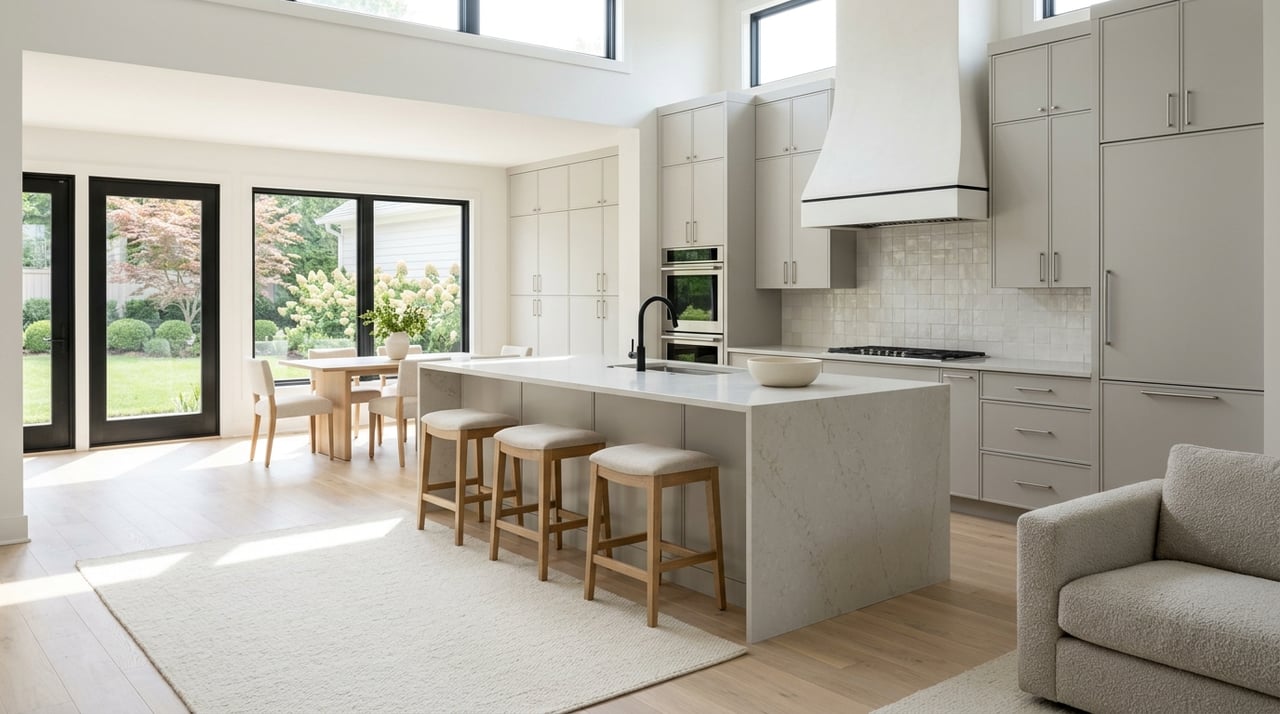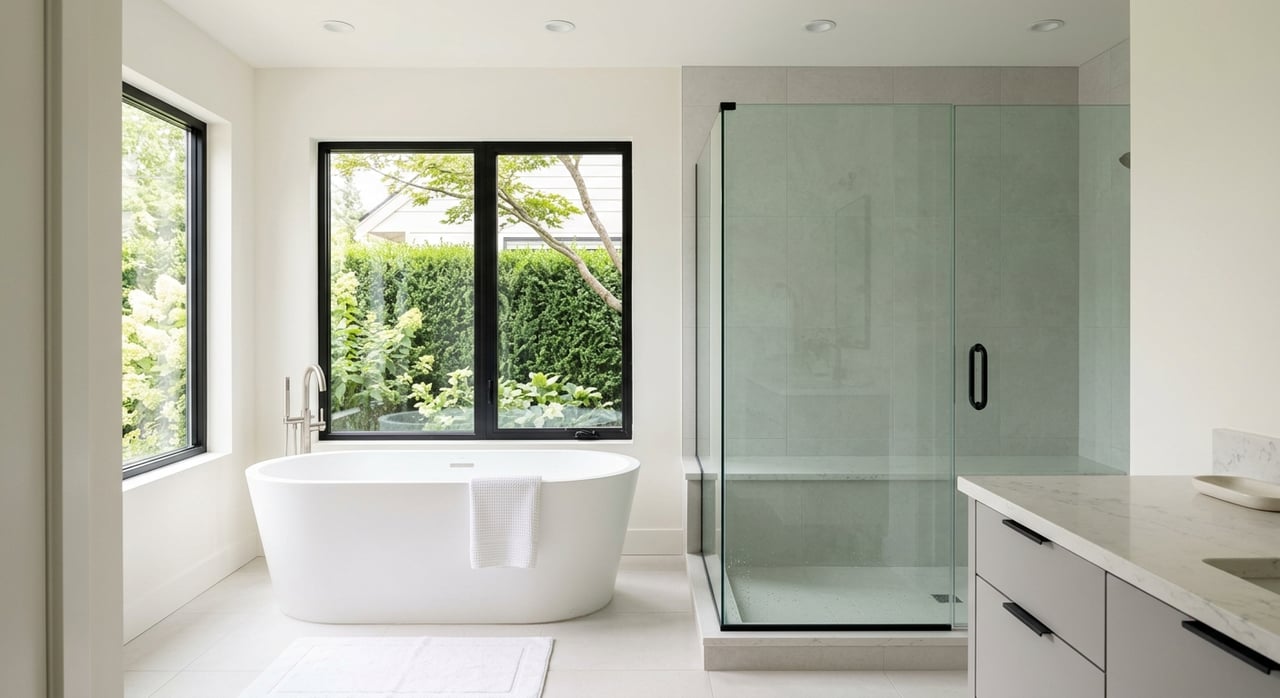
Wondering which new-build upgrades in McLean are actually worth it? In a market where median listing prices reached $2.799 million in May 2026 and homes move in a relatively brisk 27 days on market, your design choices can affect not just how you live, but how your home holds value over time. If you are building, buying pre-construction, or personalizing a spec home, the goal is not to choose the most expensive option in every category. It is to make smart, durable decisions that fit your lot, your lifestyle, and the expectations of a premium McLean market. Let’s dive in.
Why design choices matter in McLean
McLean is not a casual new-build market. Census data shows a median owner-occupied home value of $1,412,700, very high owner-occupancy, and household incomes above $250,000, which helps explain why buyers here tend to look closely at quality, function, and long-term livability.
That premium context makes every design choice more visible. In many cases, future buyers will not just notice finishes. They will notice layout, window placement, storage, bath count, and how well the home fits the lot.
For some homes, especially those in or near the McLean Community Business Center, county planning context can also shape what is realistic from the start. Fairfax County guidance for that area includes building envelope, public space, transportation, urban design, and stormwater considerations, which means exterior form and site fit can matter just as much as interior style.
Start with structure first
The smartest place to spend your energy is on decisions that are hard and expensive to change later. That usually means the floor plan, kitchen flow, bathroom locations, window placement, garage configuration, and how the home sits on the lot.
This matters because construction costs are not distributed evenly. NAHB cost data shows that framing, rough-ins, foundations, exterior finishes, and site work represent major portions of total construction cost, while many cosmetic selections are easier to update later.
In simple terms, you should be more decisive about a main-level full bath than about cabinet hardware. A pantry location, stair placement, or poorly planned circulation can affect daily life for years, while paint colors and light fixtures are much easier to revisit.
Focus on the hardest-to-reverse choices
When you are reviewing plans, give your highest attention to:
- Floor plan flow
- Window placement and natural light
- Bath count and bath locations
- Kitchen layout and usable table space
- Main-level flexibility
- Garage storage and entry function
- Patio and outdoor access
- Driveway and site circulation
If you are buying a spec home rather than building fully custom, this still applies. Production and spec builders often work from preselected plans, so your most valuable decisions are the ones that improve function within the options you actually control.
Choose features that support daily living
The design choices that age best are often the least flashy. Buyer preference research highlighted by NAHB points to broad appeal for features that make everyday life easier, more comfortable, and more efficient.
In practice, that means practical spaces often outperform dramatic statement spaces. A beautiful home still needs to work well on a normal Tuesday.
Features with broad long-term appeal
Consider prioritizing options like these:
- Laundry room with practical access
- Full bath on the main level
- Walk-in pantry
- Hardwood flooring
- Patio for outdoor use
- Front porch
- Garage storage
- Exterior lighting
- Energy Star windows
- Kitchen table space that feels usable
These choices tend to support both current enjoyment and future resale. They also fit the direction of buyer demand toward authenticity, personalization, and function rather than square footage for its own sake.
Be careful with showpiece upgrades
It is easy to get pulled toward dramatic features during the selection process. In luxury new construction, builder showrooms and model homes are designed to create emotional momentum.
That does not mean every memorable feature is a smart investment. NAHB has identified two-story foyers as among the least desired specialty rooms, which is a useful reminder that visual impact and broad appeal are not always the same thing.
If a feature looks impressive but does little for function, comfort, or flexibility, pause before paying a premium for it. In McLean, where resale sensitivity remains high, a coherent and livable home often performs better than one built around a handful of polarizing design statements.
Prioritize energy and smart-home upgrades
Some upgrades quietly improve daily life from the day you move in. Energy-efficient systems and practical smart-home features tend to fall into that category.
According to NAHB trend research, buyers continue to show strong demand for Energy Star appliances and windows, programmable thermostats, multizone HVAC, lighting control systems, video doorbells, security cameras, wired security systems, and energy-management systems.
These upgrades can make the home more comfortable, easier to manage, and better aligned with current buyer expectations. In a premium market like McLean, they also support the feeling that a home is thoughtfully built rather than just attractively staged.
Smart upgrades worth serious attention
If your builder offers options in these categories, they often deserve an early review:
- Energy Star appliances
- Energy Star windows
- Programmable thermostats
- Multizone HVAC
- Video doorbells
- Security cameras
- Wired security systems
- Lighting control systems
- Energy-management systems
The key is to think of these as quality-of-life upgrades, not just gadgets. Features that improve efficiency and day-to-day ease tend to stay relevant longer than trend-driven decorative choices.
Plan for flexibility from day one
One of the smartest new-build strategies is designing for how life can change. NAHB guidance on custom homes notes that accessibility and inclusion are best considered at the beginning, not added later.
That does not mean making your home feel clinical or overly specialized. It means thinking ahead about wider circulation, a main-level suite, and rooms that can evolve as your needs change.
A room that works as an office today may become a guest room later. A main-level bedroom and full bath can support long-term convenience, hosting, or multigenerational living without forcing a future renovation.
Flexible design ideas that age well
Look for opportunities to include:
- A main-level bedroom or suite
- Wider circulation where possible
- A flex room that can shift functions
- A full bath on the main level
- Storage that supports changing household needs
In a market like McLean, flexibility is not a compromise. It is often a sign of thoughtful planning.
Respect the lot and county process
In Fairfax County, a new single-family home requires a residential New Building permit, and the review process can involve multiple county functions, including plan review, zoning, fire review, site review, and inspections. Final occupancy is handled through a Residential Use Permit after final inspections.
For teardown and infill projects, land disturbance can also affect your timeline in a major way. Fairfax County broadly defines land disturbance to include clearing, grading, excavation, filling, and creating new impervious area, and projects disturbing 2,500 square feet or more generally need a land disturbance permit and approved grading plan.
That has real design implications. Tree preservation, drainage, driveway placement, foundation layout, and basement planning can all be affected by site conditions and approval requirements.
Why this matters for design decisions
In McLean, especially on infill lots or properties near the CBC core, design is not just an interior exercise. Before assuming a certain façade, footprint, or site plan will work, you need to understand how the lot and county review process may shape the outcome.
This is one reason early planning matters so much. A strong design on paper still needs to fit the site, the approvals path, and the practical realities of construction.
Treat change orders like timeline decisions
A change order is never just a small tweak. NAHB change-order guidance makes clear that buyer-requested changes can revise the construction schedule and estimated delivery date, and those changes are only incorporated after builder approval and signatures.
That is why early clarity matters. If you finalize structural choices at the beginning and keep later cosmetic edits limited and intentional, you are less likely to create avoidable delays.
Virginia new construction is governed by the Virginia Uniform Statewide Building Code, and Fairfax County handles enforcement through inspections. National completion averages reported by NAHB show about 10.1 months for a single-family home and 8.9 months for built-for-sale homes in 2023, but in McLean those numbers should be treated as a baseline, not a promise.
Best way to avoid costly change-order stress
Use this simple framework:
- Finalize structural and layout choices first.
- Confirm site-driven items early.
- Make smart system upgrades before finishes.
- Limit late-stage revisions.
- Treat every change as both a cost and schedule event.
This approach can help you keep the process more predictable while protecting the choices that matter most.
Where expert guidance helps most
One of the biggest misconceptions in new construction is that you control every detail. In reality, NAHB research shows builders often control product selection overall, while buyers tend to have more influence over appliances, lighting, tile, other flooring, countertops, carpeting, and plumbing fixtures.
That is why prioritization matters. You need to know which decisions are truly open to you, which ones are builder-driven, and which upgrades are likely to age well in McLean’s premium resale environment.
An experienced, construction-savvy agent can help you compare option packages, evaluate tradeoffs, and keep attention on the decisions that matter most. In a market like McLean, smart design is rarely about excess. It is about making disciplined choices that fit the lot, fit your life, and still make sense to the next buyer.
If you are weighing a McLean new build, pre-construction opportunity, or high-end spec home, working with someone who understands builder process, finish selections, and local market expectations can make the experience far more strategic. To talk through your options with a developer-savvy advisor, connect with Maria Park.
FAQs
What design choices matter most in a McLean new build?
- The most important choices are usually layout, window placement, bathroom count and location, kitchen flow, garage function, and how the home fits the lot.
What upgrades tend to age well in McLean new construction?
- Features with broad appeal include a laundry room, full bath on the main level, pantry, hardwood flooring, patio, garage storage, exterior lighting, and energy-efficient windows and appliances.
Why are change orders risky in a Fairfax County new build?
- Buyer-requested changes can affect both cost and schedule, and late changes may push back the estimated delivery timeline after builder review and approval.
How does Fairfax County affect McLean new-build design?
- County permits, inspections, site review, zoning, and land disturbance rules can influence footprint, drainage, driveway placement, tree preservation, foundation planning, and overall timing.
Are showpiece features always worth the cost in McLean homes?
- Not always. Dramatic features can look impressive, but practical design choices with broad appeal often deliver better long-term function and resale value.
What role can a buyer’s agent play in a McLean new-construction purchase?
- A knowledgeable agent can help you prioritize upgrades, understand which selections you can actually influence, compare option packages, and keep decisions aligned with long-term value in McLean.