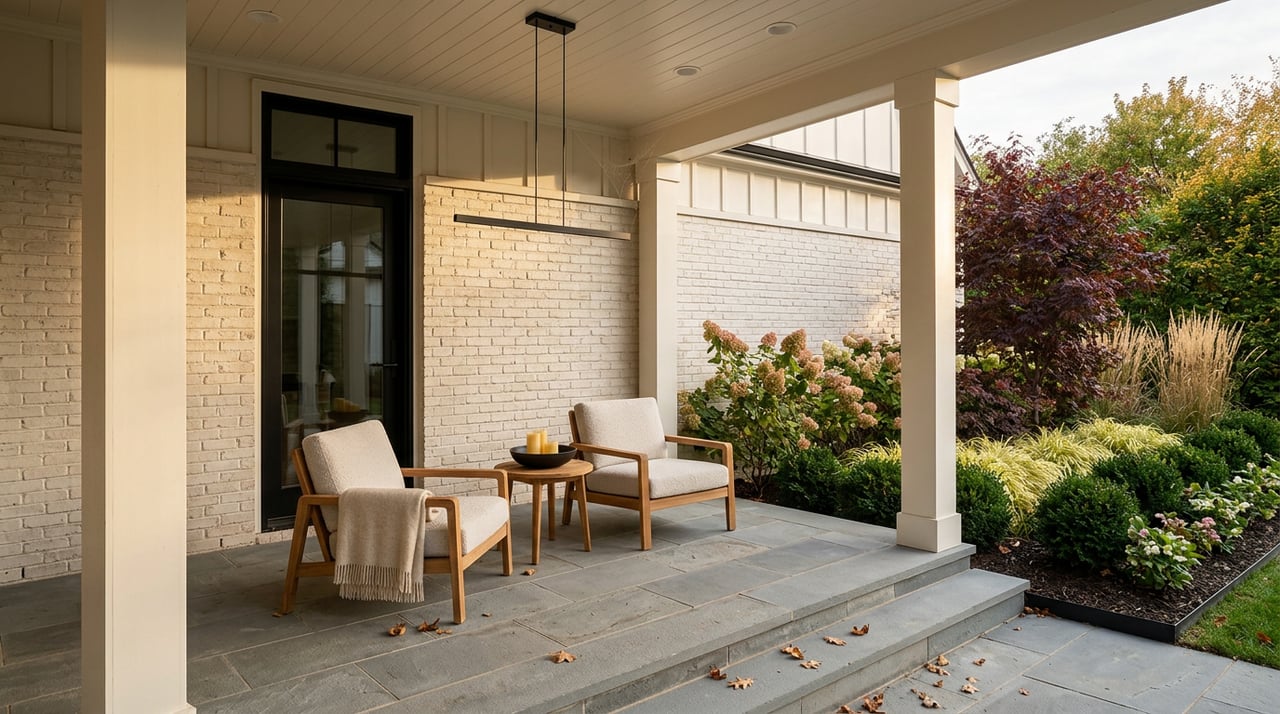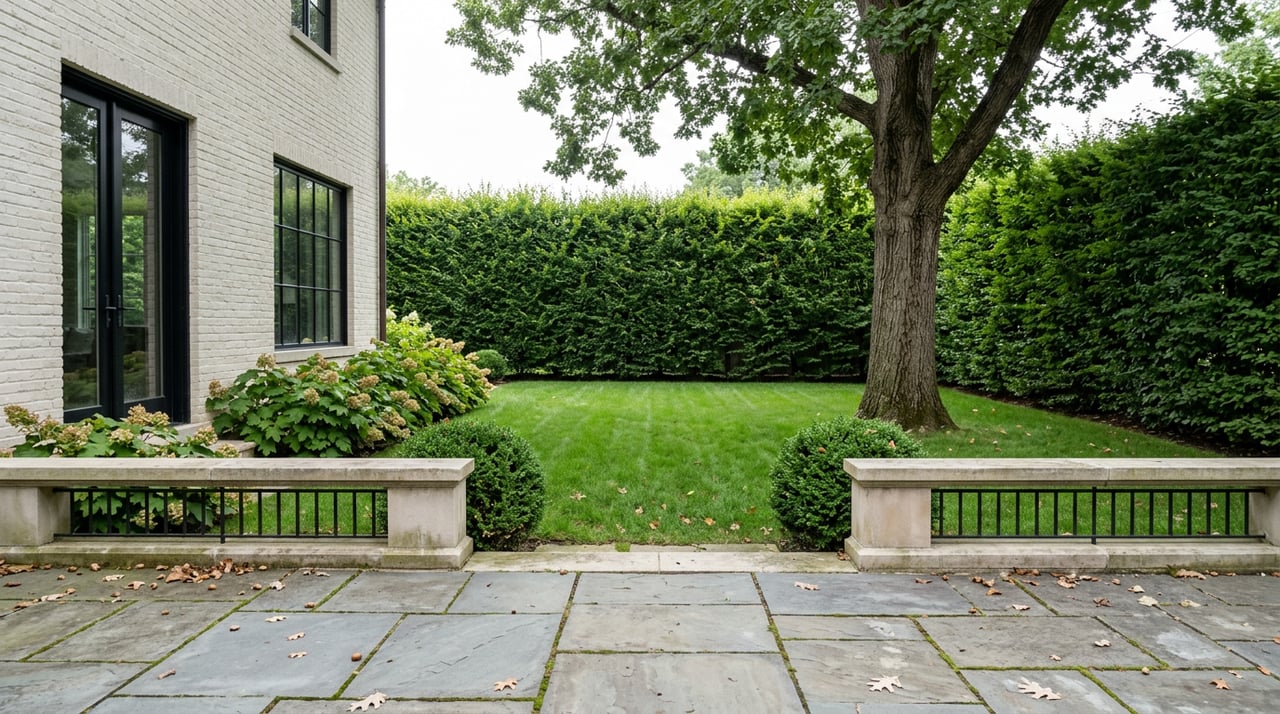
On April 14, 2026, a Potomac River estate at 1169 Crest Lane in McLean closed for $12.845 million. Ten days later, the house next door at 1175 Crest Lane sold for $12.45 million. Two neighbors, two closings, a two-week gap between them, and together they turned out to be the two most expensive transactions anywhere in Bright MLS's entire coverage area for the second quarter of 2026, a footprint that stretches across Washington D.C., Delaware, and parts of Virginia, Maryland, West Virginia, New Jersey, and Pennsylvania.
Those two sales are also a clue to something bigger. This week, regional outlets picked up a Bright MLS report covered by FFXnow showing that McLean's 22101 ZIP code led the entire Mid-Atlantic in luxury home sales during the second quarter of 2026. The headline reads like a demand story: McLean is hotter than ever. Read one paragraph further and the story changes. What actually happened in McLean this spring wasn't a surge in buyers. It was a collapse in supply, met by a buyer pool wealthy enough not to care.
The Number Everyone Is Quoting
Here's the stat driving the headlines: 76 of the 144 total sales in McLean's 22101 ZIP code during the second quarter qualified as luxury, more than half. Bright MLS defines luxury as the top 5 percent of sale prices within a given metro area, and for the D.C. region that threshold sat at $1.9 million for the quarter, itself up 5.6 percent from a year earlier. No other single ZIP code in Bright MLS's territory posted a higher raw count of luxury sales than McLean's 76.
Vienna's 22180 ZIP code, also in Fairfax County, placed fifth with 42 of its 107 total sales reaching luxury status. Haymarket came in third with 48 luxury sales, according to Northern Virginia Magazine's coverage of the same report, followed by two D.C. ZIP codes, 20016 and 20007, with 43 and 39 respectively. The coverage didn't name whichever ZIP code landed in second place, but the gap between McLean's count and everyone else on the list was wide enough that it hardly mattered.
| Locality | Luxury Sales, Q2 2026 | Share of Total Sales |
|---|---|---|
| McLean, VA (22101) | 76 | 76 of 144 |
| Haymarket, VA | 48 | not specified |
| Washington, D.C. (20016) | 43 | not specified |
| Vienna, VA (22180) | 42 | 42 of 107 |
| Washington, D.C. (20007) | 39 | not specified |
That's a genuinely remarkable number. It's also not the interesting part.
The Sentence After the Headline
Bright MLS chief economist Lisa Sturtevant offered the line that most coverage buried after the ranking table: the luxury market has outperformed the broader Mid-Atlantic because high-income buyers are less sensitive to elevated mortgage rates and have more financial cushion. Then she added the part that actually explains McLean's number.
"Luxury sales would be even higher still, except that high-end buyers are finding very little inventory."
At the end of the second quarter, there were only 917 luxury-level homes listed across the entire D.C. metro region, down 18.6 percent from a year before. Meanwhile the price threshold to even qualify as luxury climbed 5.6 percent. Fewer homes, a higher bar to clear, and still McLean posted more luxury sales than anywhere else in Bright MLS's territory. That combination doesn't describe a market where demand is exploding. It describes a market where the available supply at the top has narrowed so much that every sale that does happen registers as a bigger share of activity than it would have two years ago.
Across the broader Mid-Atlantic, 33.6 percent of luxury sales in the quarter closed in cash. That detail matters because it tells you who's still transacting in a market this tight: buyers who don't need financing timelines, appraisal contingencies, or rate locks to close. When inventory shrinks and the remaining buyer pool is disproportionately cash-heavy, the sales that do happen close faster and with fewer conditions, which is exactly what shows up in McLean's numbers this year.
What the Median Doesn't Tell You
Zoom out from the luxury tier specifically and McLean's broader market tells a version of the same story. Over the three months ending May 2026, McLean's median sale price sat near $1.9 million, up 9.7 percent from the same period a year earlier. Homes were selling in about 19 days on average, down from 26 days the year before. Price per square foot rose to roughly $466, up 7.7 percent year over year.
None of those numbers move independently. A tighter inventory pool means fewer comparable listings to anchor a price against, which means each closed sale carries more weight in shaping the next asking price. McLean is what appraisers call a thin market at the top: a small number of estate-level transactions can swing a median significantly in either direction from one quarter to the next. That's a large part of why price per square foot, tracked over a longer window, tends to be a steadier comparison point than a single quarter's median, a point worth sitting with if you're weighing what a specific McLean listing is actually worth against recent closings.
What This Means If You're Selling This Year
A record-setting luxury quarter sounds like permission to price aggressively. The more useful read is narrower than that.
- Scarcity is your leverage, not a guarantee. Fewer competing listings means serious buyers have less to choose from, but it doesn't mean every price gets tested and accepted. Buyers moving in cash and without financing contingencies are often comparing your listing against very few true equivalents, so presentation and pricing precision still decide whether an offer materializes quickly or your home sits.
- Days on market compressing to 19 is a signal, not a floor. That average includes homes that were priced and presented well from day one. A home entering the market overpriced in a thin field doesn't automatically inherit that speed.
- A single neighboring sale can become your comp, for better or worse. The Crest Lane pair shows how closely watched estate-level transactions become reference points. If you're preparing to list, understanding exactly which recent sales will get used against your home, and why, is worth doing before you set a number rather than after an offer comes in low.
What This Means If You're Buying Right Now
Buyers reading the same headline sometimes conclude they've missed the window. The inventory data suggests something closer to the opposite.
- You're not competing with more buyers. You're competing with a smaller field of listings. That changes the strategy from "outbid everyone" to "be ready the moment something matches your criteria," since the properties that do hit the market in this price band tend to move fast.
- Cash buyers set the pace, even if you're financing. If a third of luxury buyers regionally are closing without a loan, your timeline and contingency structure need to be competitive against that reality, not against a theoretical average buyer.
- A rising per-square-foot figure is more informative than a rising median. With McLean's price per square foot up 7.7 percent over the past year, that trend line tells you more about what you're actually paying for space than a median that can jump around based on which three or four estates happened to close that quarter.
Common Questions
Does a record luxury quarter mean McLean prices are guaranteed to keep climbing? The data shows a tight, resilient top tier, not a guaranteed trajectory. Inventory constraints and a cash-heavy buyer pool have supported prices through the first half of 2026, but those same dynamics can shift if more listings enter the market or buyer composition changes.
What actually counts as "luxury" under these numbers? Bright MLS sets the threshold at the top 5 percent of sale prices within each metro area it tracks. For the D.C. region in the second quarter of 2026, that meant $1.9 million and above. The bar moves each quarter based on regional sale prices, so a home that qualified as luxury a year ago might not clear the threshold today, or vice versa.
Should I wait for more inventory before making an offer in McLean? Waiting assumes more listings are coming. Nothing in the current data points to that. Inventory at the luxury level was down 18.6 percent year over year as of the end of the second quarter, and nothing in the report suggests that trend is reversing in the near term.
McLean's luxury market didn't get louder this quarter. It got quieter and more concentrated, and the sales that closed anyway tell you more about who's still able to move than about how many buyers are out there. If you're trying to figure out what your McLean home is actually worth against that backdrop, or what a specific listing in this price band should really cost you, that's a conversation grounded in comps and inventory data, not headlines. Maria Park works this market daily, from Chain Bridge Road estates to new construction closer to Tysons, and can walk you through what these numbers mean for your specific address. Work With Maria to get a clear read on where your property or your search actually stands.