Thinking about trading a DC block for a McLean address? The change can feel smaller on a map than it does in daily life. If you are weighing more space, a different pace, or a move that better fits how you live now, it helps to know what really changes once you cross into Fairfax County. This guide walks you through the biggest shifts in housing, routines, amenities, and home search strategy so you can plan your move with more confidence. Let’s dive in.
McLean Feels Less Dense
One of the biggest changes from DC to McLean is the overall scale of everyday life. Census data shows population density is much lower in McLean than in Washington, DC, at 2,047.5 people per square mile versus 11,280.7. That difference often shows up in quieter streets, more space between homes, and a less continuous urban rhythm.
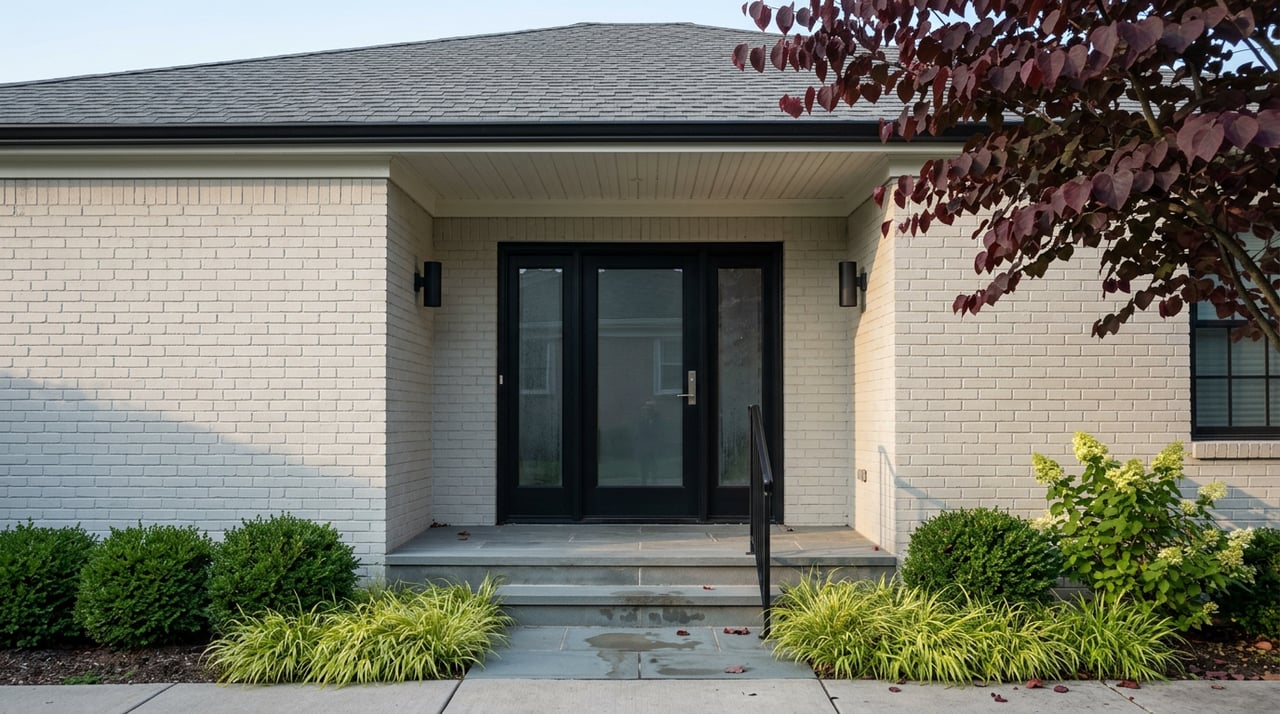
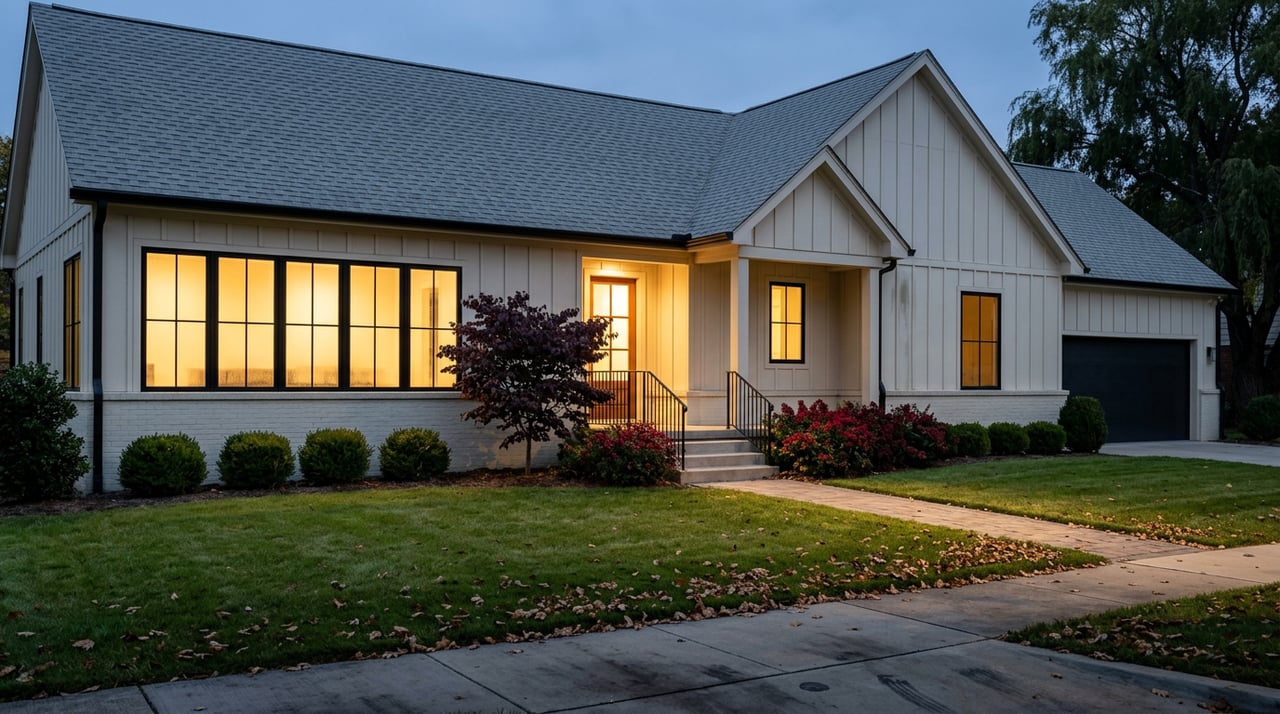
Fairfax County planning documents support that feeling. The county describes much of McLean as suburban neighborhoods and low-density residential areas, with some Potomac-side areas generally limited to large-lot single-family residential use. If you are used to rowhouses, condo buildings, and tightly packed commercial corridors, McLean will likely feel more spread out and more residential.
Homeownership Plays a Bigger Role
Your housing options and your neighbors’ lifestyles may look different in McLean. The owner-occupied housing rate is 86.1% in McLean, compared with 41.5% in DC. That points to a market that is much more ownership-oriented.
McLean also appears more residentially stable. Census data shows 89.7% of residents were living in the same house one year ago, compared with 80.2% in DC. For you, that can mean a stronger sense of long-term residency and a home search that often centers on staying power, not just short-term convenience.
Households Tend to Be Larger
Moving from DC to McLean can also change how your home functions day to day. The average household size in McLean is 2.88 people, compared with 1.99 in DC. That does not define any one household, but it does suggest a market where homes are often set up for more shared living space.
In practical terms, you may find yourself prioritizing different features than you did in DC. Extra bedrooms, flexible living areas, yard space, storage, and private outdoor areas often matter more when your home is expected to support work, entertaining, downtime, and longer-term living all in one place.
Costs Shift Upward in McLean
McLean is not just different in layout. It is also a higher-cost housing market. Census QuickFacts lists the median value of owner-occupied homes in McLean at $1,412,700, compared with $737,100 in DC.
Renting is expensive there as well. Median gross rent is $3,422 in McLean versus $1,954 in DC. If you are moving for more space or a different lifestyle, it is worth planning for the fact that both ownership and rental costs can rise meaningfully.
Your Commute May Change by Mode, Not Time
A lot of DC buyers assume a move to McLean automatically means a much longer commute. The data suggests that is not always true. Mean travel time to work is 28.1 minutes in McLean and 30.0 minutes in DC.
The bigger difference is usually how you get around. In DC, many people are used to a more continuous street grid and errands that can stack together more easily. In McLean, daily movement is often more node-based, with routines centered around home, a local commercial area, a station, or a larger destination like Tysons.
Errands Become More Intentional
Downtown McLean offers an active local center, but it is compact rather than expansive. Fairfax County describes the McLean Community Business Center as about 230 acres centered on Chain Bridge Road and Old Dominion Drive. County transportation work in that area includes studying traffic calming, on-street parking, lane widths, and speed reductions.
That tells you something important about daily life. McLean has places where errands, dining, and local activity cluster, but the overall experience is usually less block-to-block walkable than many DC neighborhoods. You may drive more often, even if your average travel time stays fairly manageable.
Transit Still Matters in McLean
Even with a more car-oriented rhythm, McLean is not cut off from transit. The area has direct access to the Silver Line, and Fairfax Connector provides free transfers to Metrorail. That can be a major advantage if you want suburban living without giving up rail access altogether.
For some buyers, this creates a helpful middle ground. You can have a more residential home environment while still keeping regional access in the picture for work and major destinations. That balance is part of what makes McLean feel connected rather than remote.
Community Life Looks Different
If you are coming from DC, your social and recreational life may shift just as much as your housing. In McLean, many amenities are more county-programmed and suburban in character. Fairfax County notes that local community centers offer classes, lectures, camps, trips, art exhibits, theater performances, and specialty shows.
The county park system adds more layers to that. Parks, trails, open space, and year-round recreation programming are part of everyday life in a way that may feel different from a denser city pattern. Rather than stepping outside into constant commercial activity, you may find yourself planning around parks, programs, and destination-based outings.
Nature Access Gets Easier
For many DC movers, one of the most immediate quality-of-life changes is easier access to open space. Scott’s Run Nature Preserve gives McLean residents a nearby nature destination, adding a different kind of break from the workweek. That kind of access can change how you spend mornings, weekends, and after-work time.
This does not mean McLean lacks activity. It means activity often comes with more breathing room. If you value a calmer home base with nearby outdoor options, that can be one of the move’s biggest benefits.
Tysons Expands Your Options
Living in McLean also places you near one of Fairfax County’s biggest mixed-use centers. Fairfax County describes Tysons as the county’s downtown and notes that it is being transformed into a walkable, sustainable urban center served by four Silver Line stations. That nearby access adds another layer to McLean living.
In practical terms, you may end up with a split lifestyle. Home feels more residential and private, while shopping, dining, and entertainment can be handled through Tysons or local McLean nodes. For many buyers, that combination offers a comfortable balance between space and convenience.
School Planning Is Address-Specific
If school assignment is part of your move, this is one of the most important details to get right. Fairfax County Public Schools provides a Boundary Locator for the 2025-26 school year that identifies the elementary, middle, and high school serving a specific address. In McLean, buyers should verify school assignments property by property.
That matters because neighborhood names do not automatically confirm a school assignment. If you are comparing homes, it helps to evaluate each address based on the exact assignment, commute route, and proximity to places you expect to use often, such as downtown McLean, a Metro station, or Tysons.
What the Lifestyle Shift Really Means
The move from DC to McLean is usually less about distance and more about daily structure. You are not necessarily moving far away from the city, but you are stepping into a lower-density, more ownership-focused environment with different patterns for commuting, errands, recreation, and home use.
For some people, that means more privacy, more space, and a home that better supports long-term living. For others, it means adjusting to a less spontaneous, less walk-everywhere routine. The key is to match the move to how you actually want your days to work.
How to Evaluate a McLean Move
If you are deciding whether McLean fits your next chapter, focus on a few practical questions:
- Do you want more space inside and outside the home?
- Are you comfortable with a more car-oriented daily routine?
- Is access to the Silver Line or Tysons important to your lifestyle?
- Are you looking for a more ownership-heavy, residential setting?
- Do you need to verify school assignment for a specific address?
- Are you prepared for McLean’s higher home values and rents?
A smart move is not just about square footage. It is about whether the setting supports your routine, priorities, and long-term plans.
If you are comparing DC living with McLean homes, it helps to work with an advisor who understands not just the map, but how the housing stock, planning context, and day-to-day lifestyle actually differ from one market to the next. For a tailored conversation about McLean, luxury resale opportunities, or new construction options in Fairfax County, connect with Maria Park.
FAQs
What is the biggest lifestyle change when moving from DC to McLean?
- The biggest change is usually daily scale. McLean is much less dense than DC, more ownership-oriented, and often more car-dependent in everyday routines.
Is McLean more expensive than Washington, DC for housing?
- Yes. Census data in the research report shows higher median home values and higher median gross rent in McLean than in DC.
Does moving to McLean mean a longer commute than living in DC?
- Not necessarily. The research report shows mean travel time to work is similar, at 28.1 minutes in McLean and 30.0 minutes in DC, though the way you commute may differ.
Is McLean a walkable alternative to DC city living?
- McLean has walkable nodes, especially in downtown McLean, but the overall routine is generally less continuously walkable than many DC neighborhoods.
How should buyers verify school assignments for a McLean home?
- Buyers should confirm the assigned schools by using the Fairfax County Public Schools Boundary Locator for the specific property address.
What kinds of amenities shape daily life in McLean?
- Daily life in McLean is supported by local community centers, county parks and trails, nearby nature access such as Scott’s Run Nature Preserve, and close access to Tysons for broader retail, dining, and entertainment options.